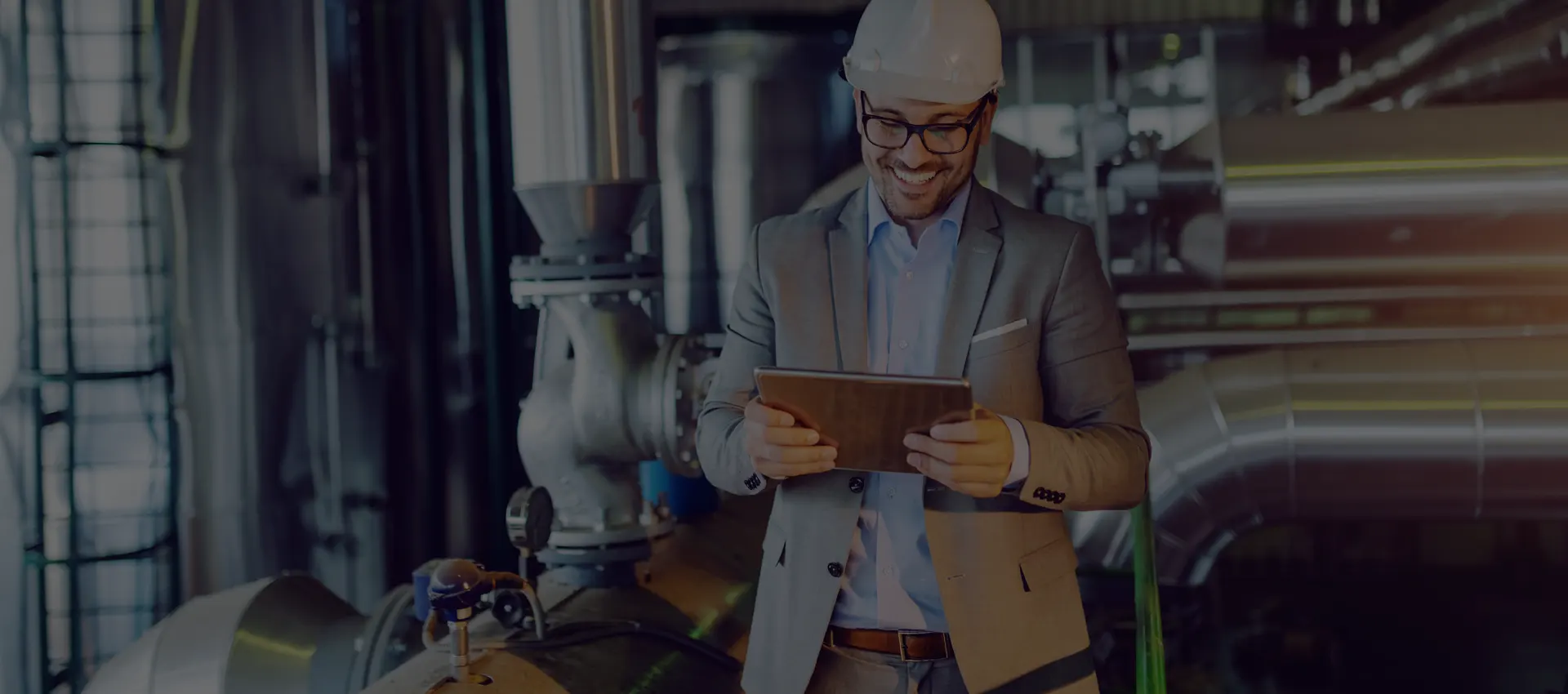
THE INDUSTRIAL SECTOR: RICH IN INNOVATION!
Explore industrial innovations, emerging technologies and advanced production tools transforming manufacturing processes.
MARKETING ADVICE FOR INDUSTRIAL PRODUCTS AND SERVICES
Effective industrial management, reliable industrial maintenance and well-structured management systems support the development and promotion of industrial products and services.

INDUSTRIAL STRATEGY
An effective industrial strategy aligns business objectives with production capabilities, organisational structure and industrial equipment. It helps companies improve operational efficiency while adapting their manufacturing resources to market demand.
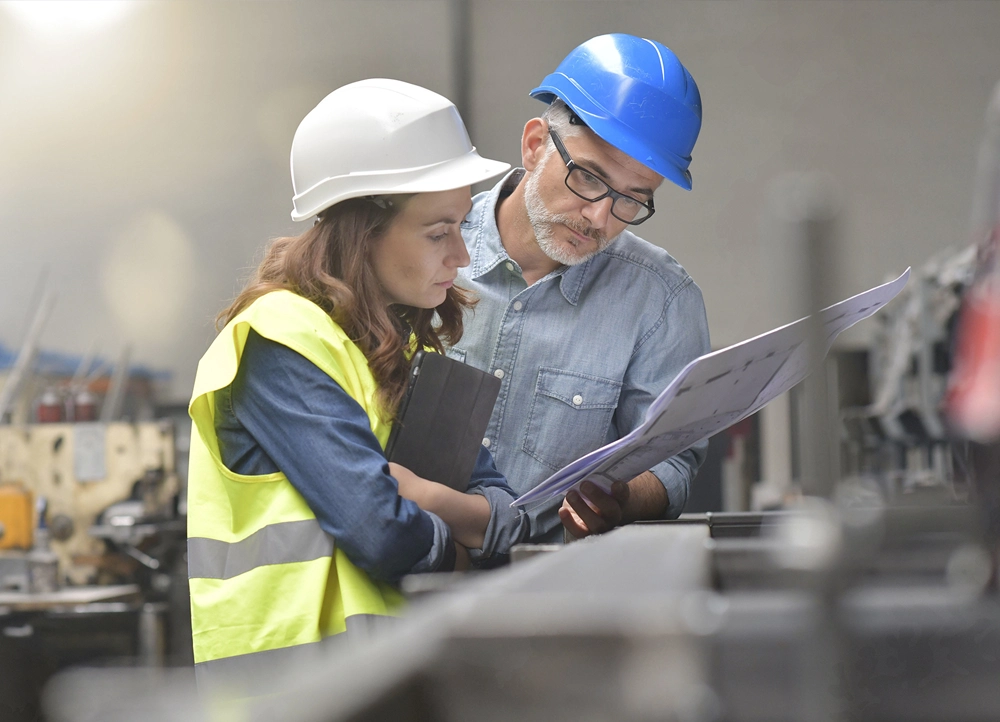
COMPETITION STUDY
Industrial companies operate in competitive markets where customer expectations and production capabilities continually evolve. Competitive analysis helps identify market opportunities, assess competing manufacturers and support strategic decision-making.

B TO B MARKET RESEARCH
Reliable B2B market research combines quantitative data, customer needs analysis and sector-specific insights. It helps industrial suppliers anticipate purchasing trends, understand professional buyers and develop a targeted commercial strategy.

INDUSTRIAL MATERIALS – PACKING AND PACKAGING
Quality control of industrial materials helps detect defects and prevent product deterioration during manufacturing, storage and transport. Suitable industrial packaging protects equipment and finished goods against moisture, impact and other external hazards while preserving product integrity.

LOGISTICS AND HANDLING OF GOODS
Efficient goods handling supports the entire industrial supply chain, from production planning and inventory management to order fulfilment. Industrial logistics also coordinates road freight, international transport and warehouse operations while addressing delivery constraints and operational risks. Find additional practical information on industrial-testing-equipment.com.

PRODUCTION EQUIPMENT
Industrial production equipment includes prototyping machines, automated assembly machines and industrial gluing systems. Choosing suitable manufacturing machinery requires evaluating production capacity, process requirements and equipment reliability throughout the production line.
INDUSTRY, PROSPECTS FOR THE FUTURE
The future of industry depends on technological innovation, energy transition and the ability of manufacturers to adapt to changing economic conditions. Each industrial sector faces distinct challenges involving production efficiency, investment and sustainable development.
01.
AUTOMOTIVE INDUSTRY
The automotive industry plays a major role in global manufacturing, bringing together vehicle production, component suppliers and increasingly sophisticated automotive technologies.
02.
AERONAUTICS
Aeronautical manufacturing involves precision engineering, aircraft engine production and specialised components that must meet demanding performance and safety requirements.
03.
RENEWABLE ENERGIES
Renewable energy technologies help industrial companies reduce their dependence on fossil fuels. Solar power, wind energy and energy-efficient equipment contribute to cleaner industrial operations.

04.
TEXTILE AND CLOTHING
The textile and clothing industry combines textile manufacturing, garment production and specialised supply chains. Its competitiveness depends on material quality, production flexibility and changing market expectations.
05.
FOOD INDUSTRY
Food processing industries offer opportunities across agricultural raw material transformation, industrial food production, quality assurance, distribution and temperature-controlled logistics.
06.
PHARMACEUTICAL INDUSTRY
Pharmaceutical manufacturing relies on research investment, regulated production processes and rigorous quality standards to develop and supply medicines addressing healthcare needs.
GAS CONSUMPTION IN INDUSTRIAL COMPANIES
Natural gas supplies energy for numerous industrial production processes, including industrial heating, electricity generation and thermal operations. Many manufacturing facilities also use fuel oil and liquefied petroleum gas, although these fossil fuels generate greenhouse gas emissions. Reducing industrial energy consumption helps control operating costs and limit environmental impacts. Solutions such as industrial cogeneration can improve overall energy efficiency by producing useful heat and electricity from the same fuel source.
Natural gas is a fossil energy resource extracted from underground geological formations. Its industrial applications include process heating, steam generation and power production. Improving natural gas efficiency requires monitoring consumption, maintaining combustion equipment and evaluating alternatives where technically feasible. More information is available on wikindustry.org.
INDUSTRIAL SAFETY
Industrial risk prevention combines workplace hazard identification, employee protection and preventive safety measures. Equipment inspections, worker safety training and emergency preparedness help reduce occupational accidents and manage major industrial hazards.
SMART INDUSTRY: THE FACTORY OF THE FUTURE
Smart industry transforms traditional factories through connected manufacturing systems, industrial automation and real-time production data. These technologies support more flexible operations and informed decision-making. Explore further developments on newinindustry.com.

WEB TECHNOLOGIES
Industrial mobile applications allow technicians and production managers to access operational information through smartphones and tablets. Industry 4.0 also integrates 5G connectivity, virtual reality and augmented reality to support equipment maintenance, workforce training and more flexible manufacturing operations.

INTERNET OF THINGS (IOT)
The Industrial Internet of Things connects sensors, machines and monitoring devices to exchange operational data. Connected industrial equipment can support predictive maintenance, equipment monitoring and production performance analysis through communication networks and integrated electronic components.

ROBOTICS AND AI
Artificial intelligence supports industrial robotics by improving process monitoring, quality inspection and automated decision-making. Collaborative robots and automated robotic systems can assist workers with repetitive or physically demanding tasks while supporting manufacturing productivity.